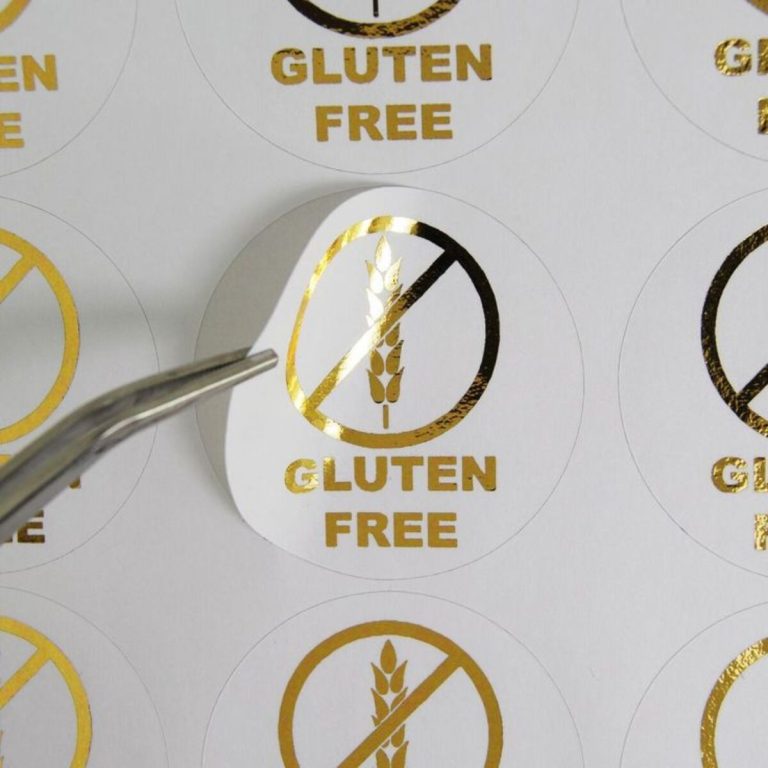
How to Use Gluten-Free Label Symbols Effectively: A Complete Guide
In today’s food-conscious world, clear gluten-free labeling has become essential to give consumers confidence and prevent health risks for those with gluten intolerance or celiac disease. Understanding gluten-free label symbols, along with regulatory standards like FDA gluten-free requirements, is vital to distinguish safe certified gluten-free products from unverified claims. In this comprehensive guide, we break down everything businesses and consumers need to know about gluten-free labeling. Whether you’re seeking clarity about the certified gluten-free symbols or wondering how Gluten-Free Food Tags can enhance packaging, this covers it all.
What Are Gluten-Free Label Symbols?
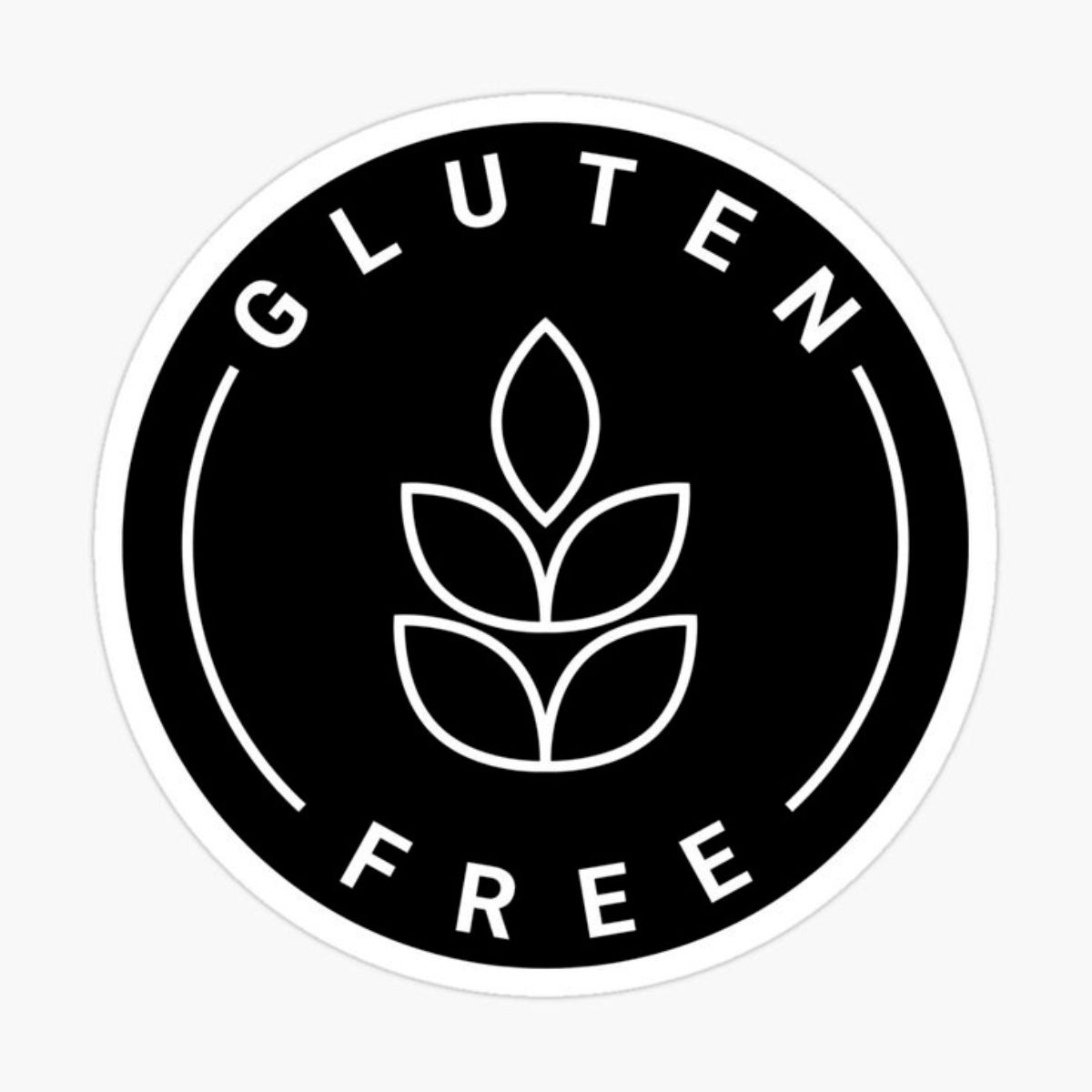
Gluten-free label symbols are standardized logos or icons placed on food packaging to indicate that the product meets gluten-free requirements. These symbols provide assurance to customers who must avoid gluten for health reasons, making it easier to identify safe products quickly while shopping.
For manufacturers, using these symbols correctly is key to building trust with consumers, complying with regulatory guidelines, and standing out in a competitive market.
Understanding Certified Gluten-Free Symbols
The presence of certified gluten-free symbols on food packaging means that a product has been independently tested and verified to meet strict gluten-free standards. Typically, trusted certification bodies perform these audits and grant the right to use their logo on your product after ensuring compliance. Some of the most widely recognized certifications come from organizations like the Gluten-Free Certification Organization (GFCO), which adheres to rigorous rules.
It’s important to note that these certifications enhance brand credibility and provide peace of mind to consumers, especially when government standards like the FDA gluten-free requirements are met. According to the FDA, a food product bearing a gluten-free claim must contain less than 20 ppm (parts per million) of gluten.
Why the Gluten-Free Symbol on Food Is Crucial for Businesses
The gluten-free symbol on food is highly significant for businesses aiming to cater to gluten-sensitive consumers. In addition to meeting legal obligations and industry guidelines, clear gluten-free labeling boosts your product’s marketability. A notable study found that over 63% of US consumers check packaging for gluten-free information, underscoring its importance.
Reliable gluten-free symbols can also prevent accidental allergen exposure, a major concern for customers with celiac disease or related disorders. For instance, customized tags or markings like our Custom Gluten-Free Food Tags allow accurate messaging while enhancing the professional presentation of your product.
How to Check for Gluten on Food Labels
Knowing how to check for gluten on food labels efficiently is important for both businesses and consumers. Here are some key tips:
- Look for certifications such as GFCO or NSF International on the packaging.
- Review the ingredients list for gluten-containing terms like wheat, barley, rye, and malt.
- Use a gluten free ingredient checker online to verify specific ingredients if you’re unsure.
- Pay attention to advisory statements like “may contain gluten” or “processed in a facility that handles wheat.”
By carefully analyzing food labels, companies can ensure compliance while customers can make safe choices.
Meeting FDA Gluten-Free Requirements
The FDA gluten-free requirements serve as the regulatory benchmark for gluten-free labeling. Let’s simplify the key components of these rules:
| Requirement | Description |
|---|---|
| Gluten Threshold | Products must contain less than 20 ppm of gluten. |
| Claim Standards | Only products meeting the gluten-free criteria can display terms like “gluten-free,” “free of gluten,” or “no gluten.” |
| Ingredients | No gluten-containing grains (wheat, rye, barley) or their derivatives, unless processed to remove gluten below detectable levels. |
Following these requirements not only ensures consumer safety but also protects your brand from legal repercussions.
The Role of Technology: Is It Gluten-Free Checker Tools
For manufacturers and individuals alike, digital tools like an “Is It Gluten Free Checker” simplify ingredient analysis. These online platforms can scan food labels or ingredient lists and cross-reference them against databases of gluten-containing additives.
Many businesses have adopted this technology to reassess their product lines efficiently, ensuring both consumer trust and regulatory compliance. For example, pairing advanced checkers with visually impactful certified gluten-free symbols on packaging can signal a strong commitment to quality.
Conclusion
In a market where consumer trust determines success, using accurate gluten-free label symbols is more than a regulatory requirement—it’s a business necessity. By adhering to FDA gluten-free requirements and offering trusted certified gluten-free products, brands can serve a growing but cautious demographic with confidence. Augment your food packaging or promotional materials with visually striking labels, like the ones offered by Hang Tags Co, to ensure your message resonates and your products stand out.
Whether you’re checking compliance, understanding how to use labels effectively, or exploring Custom Gluten-Free Food Tags options, we’ve provided a guide designed to simplify the process. Empower your business to meet customer needs while staying compliant with gluten-free standards.