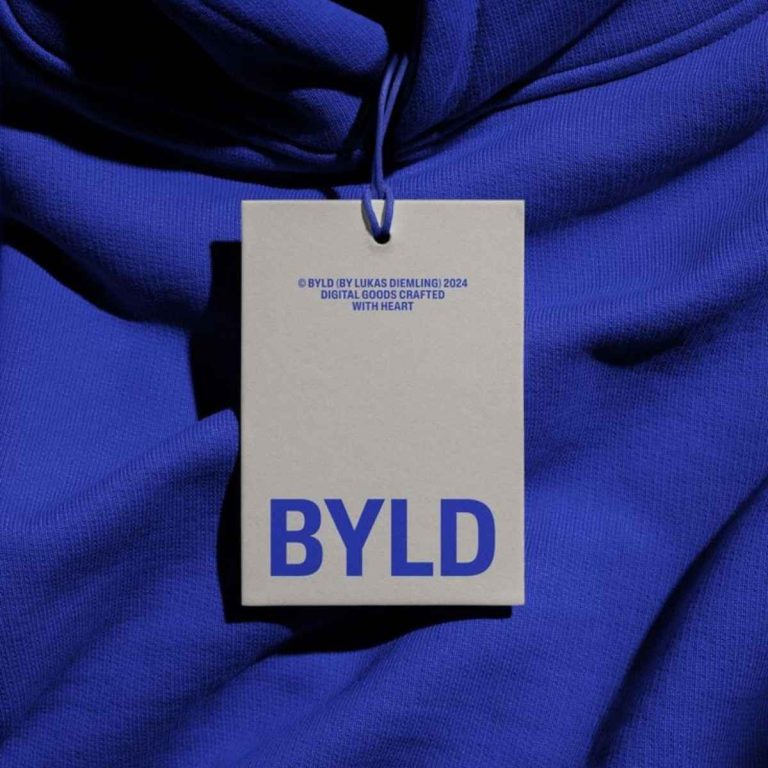
Expert Guide to Choosing Custom Fabric Content Tags for Your Brand
In the competitive world of clothing and handmade goods, the smallest details can have the biggest impact. One of the most undervalued yet vital branding elements is the fabric content tag. These tags serve not only as a compliance feature but also as an opportunity to establish your brand identity. Whether you’re designing fabric content tags for your next clothing line or creating custom labels for handmade items, this guide will provide you with actionable insights to elevate your brand.
What Are Fabric Content Tags and Why Do They Matter?
Fabric content tags are labels attached to clothing or handmade items that provide essential information about the product. They typically include the material composition, care instructions, country of origin, and sometimes, sustainability details. For brands specializing in garments or handcrafted products, fabric tags for clothing are more than just a regulatory must-have—they’re an essential tool for building trust with your customers.
Well-designed fabric tags for sewing projects or custom clothing tags with logos can make your product stand out on the shelf, communicate professionalism, and foster brand loyalty. For a growing number of eco-conscious consumers, these tags also serve as a reflection of your brand’s commitment to ethical and transparent practices.
How to Choose the Right Fabric Content Tags for Your Needs

When selecting fabric content tags, it’s crucial to consider functionality, durability, and aesthetics. Here’s what you should keep in mind:
1. Material Choice
The material of the tag impacts both its durability and its aesthetic appeal. Common material options include:
- Satin: Durable and smooth, suitable for both high-end garments and handmade items.
- Cotton: Eco-friendly and perfect for natural or sustainable brands.
- Woven Labels: These allow intricate designs to be stitched directly into the material, creating a premium look.
2. Customization Options
Fabric content tags custom-designed to include your logo, tagline, and brand colors can strengthen brand recognition. When crafting custom clothing tags with logos, work with a manufacturer who offers precise printing and color-matching capabilities to ensure the final product aligns with your branding.
3. Functionality & Compliance
Tags need to be functional and meet regulatory requirements, such as listing fiber content or washing instructions. If you’re selling internationally, make sure your tags adhere to the standards of your target markets.
Application Methods for Fabric Tags
The way your fabric tags are applied can make a significant difference in their durability and aesthetic appeal. We’ve outlined the most common methods below:
Sew-On Tags
Custom clothing tags sew on are a versatile option for clothing brands. These tags are sewn directly into the fabric, offering a professional and durable finish. They are ideal for items that are washed frequently, as the sewing ensures they remain intact over time.
Iron-On Labels
Iron-on labels are convenient and quick to apply, particularly for small-scale productions or handmade goods. While they are easy to use, they may not be as long-lasting as sew-on options, making them better suited for less frequently washed items.
Adhesive Backing Tags
Fabric tags with adhesive backing are increasingly popular for one-time use items or specialty projects. However, these are not recommended for garments that require regular washing.
Custom Fabric Labels for Handmade Items
For small businesses and artisans who create handmade products, custom fabric labels are an excellent way to infuse personality into every piece. Imagine your logo subtly displayed on a handwoven scarf or knit blanket, serving as both a testament to your craftsmanship and an elegant piece of branding.
Custom Fabric Content Tags tailored specifically for handmade items allow you to highlight key details like the origins of your materials, unique care instructions, and brand story. This added touch can effectively differentiate your products in a saturated market.
Factors to Consider When Designing Fabric Tags for Sewing Projects
When creating fabric tags for sewing projects, it’s essential to consider your target audience and the intended use of the product. Here are some practical tips to guide your design process:
- Scale: Choose tag sizes appropriate for the product’s dimensions. Oversized tags may look unprofessional on smaller items, while tiny tags may get lost on larger pieces.
- Typography: Ensure legibility by selecting clean fonts and avoiding overly ornate designs.
- Attachment Type: For handmade or heritage pieces, sew-on tags are often the preferred choice as they add to the artisanal look and feel.
Conclusion
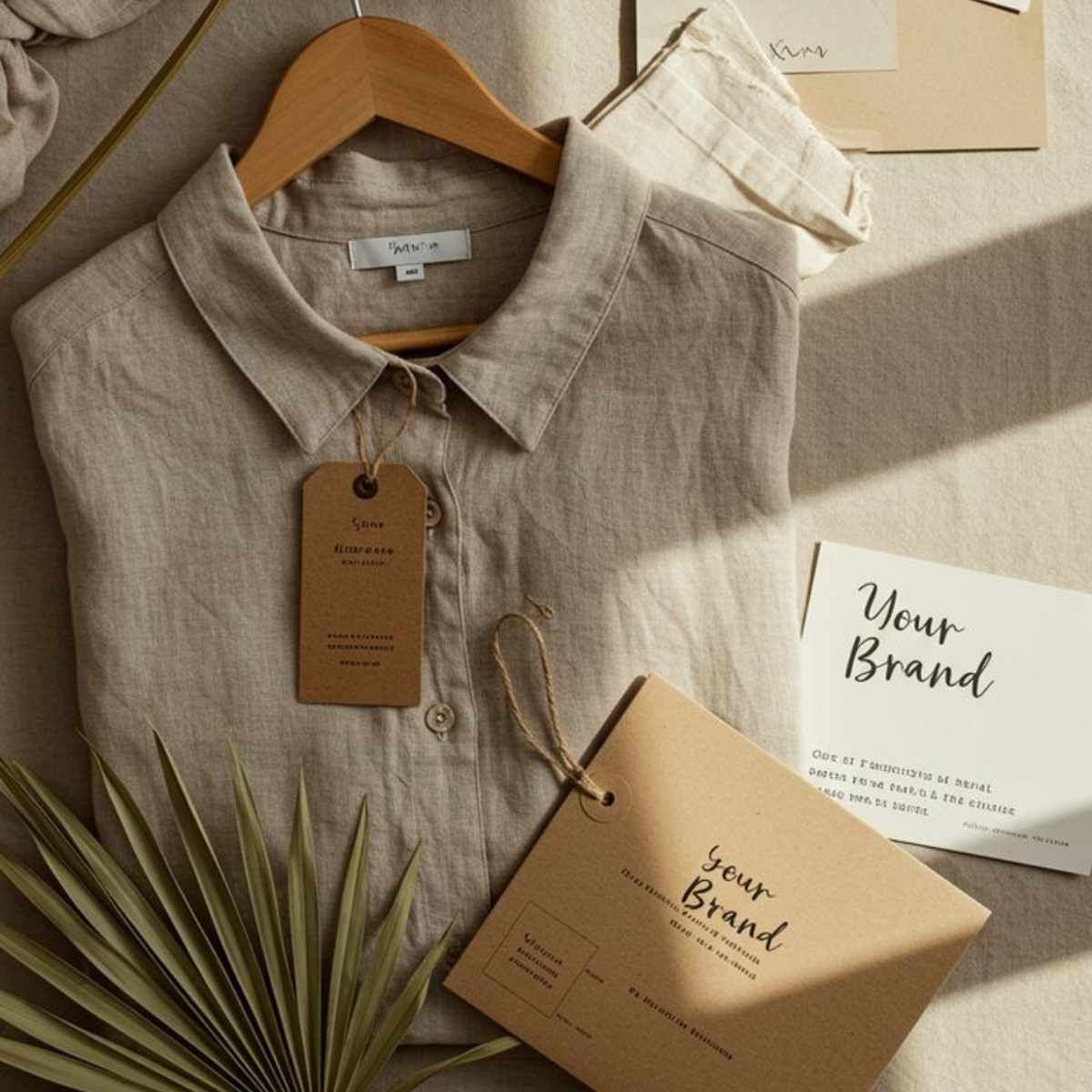
Fabric content tags are more than just an informational tool—they are integral to your branding, compliance, and customer experience. By investing in high-quality Hang Tags Co solutions, you ensure that every product detail reflects your brand’s professionalism.
Whether you’re developing fabric content tags for clothing or custom fabric labels for handmade items, always consider functionality, durability, and personalization during the design process. Elevate your brand and leave a lasting impression with custom tags that not only inform but also captivate.